
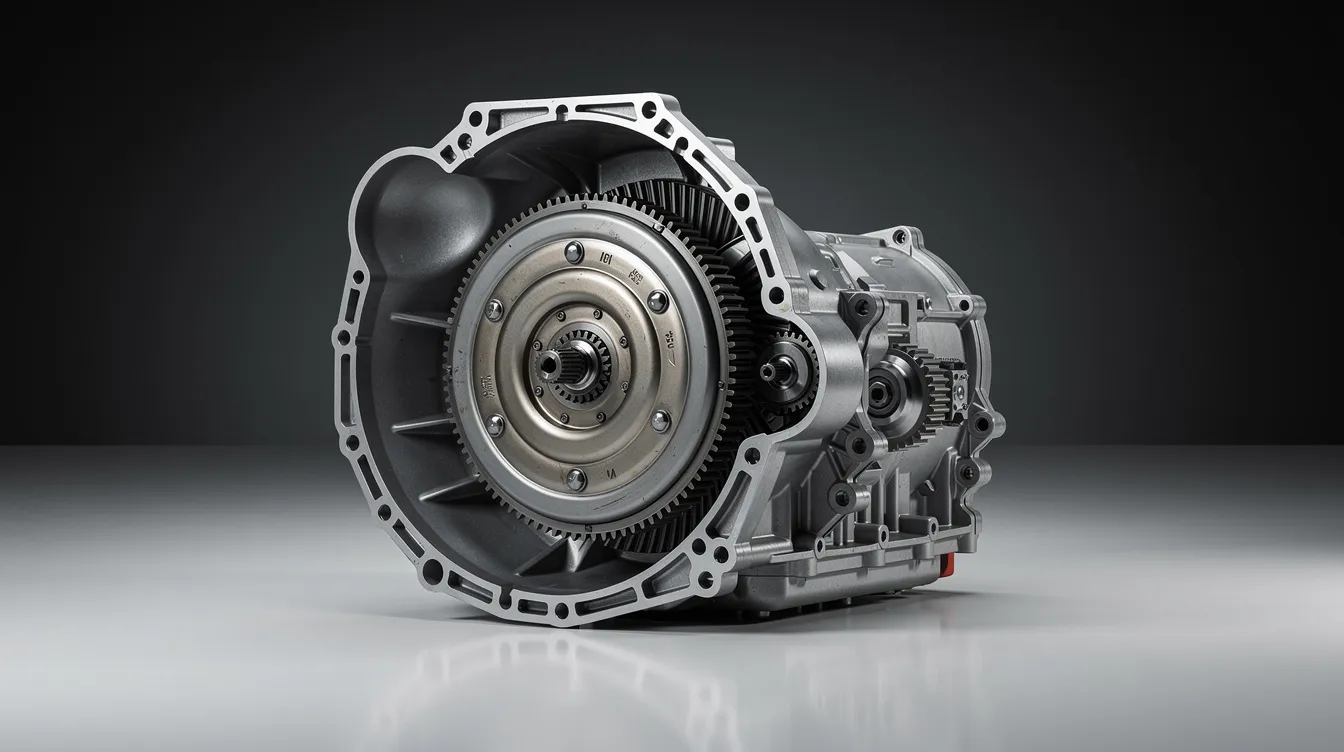
If you have ever wondered about the difference between a manual and automatic transmission, you are not alone. It is a more important decision than many people realize. Whether you’re buying your first car, shopping for a truck to handle Idaho’s mountain terrain, or simply trying to understand what’s going on under your hood, this guide breaks it all down in plain language.
What Is A Transmission And Why Does It Matter?
The transmission is a complex system of gears and components that transfers power from your engine to your wheels. Your engine produces torque across a range of RPMs (revolutions per minute), but your wheels need different amounts of force depending on the situation.
Your transmission handles this by shifting through a series of gear ratios:
- Lower gears, like first gear and second gear, provide more torque at lower speeds, such as when accelerating from a stop.
- Higher gears prioritize efficiency at highway speeds.
- The right gear ratio at the right time protects your engine and improves performance.
Whether that shifting process is handled by you or by the car itself is the core difference between manual and automatic transmissions.
How A Manual Transmission Works
A manual transmission, also called a standard transmission or stick shift, requires the driver to manually select and engage each gear using two key components.
- The clutch pedal: located to the left of the brake pedal, pressing it disengages the engine from the transmission so you can change gears cleanly without grinding.
- The gear stick (or gear shifter): The driver moves this lever through a pattern, typically 5 or 6 forward gears plus reverse, to select the right gear ratio for the situation.
Key maintenance considerations for manual transmissions:
- Clutch assemblies typically last 80,000 to 120,000 miles with good driving habits.
- Regular clutch inspections and fluid changes are essential for reliable operation.
- “Riding the clutch,” meaning keeping partial pressure on the pedal while driving, is one of the most common causes of premature wear.
- A well-maintained manual transmission can last well over 150,000 miles.
How An Automatic Transmission Works
An automatic transmission handles all gear shifting on your behalf. Instead of a clutch pedal, it uses a hydraulic torque converter attached to the drivetrain to transfer power from the engine to the transmission. A dedicated computer called the Transmission Control Module (TCM) reads sensor data dozens of times per second and determines optimal shift points in real time.
What makes modern automatics impressive:
- Today’s 8, 9, and even 10-speed automatic cars can outperform many manual transmission vehicles in both fuel economy and acceleration.
- Shift logic adapts automatically to your driving style and conditions.
- Tow/haul modes in trucks and SUVs alter shift behavior specifically for high-load situations.
Automatic and manual transmission maintenance needs:
- Transmission fluid flushes every 30,000 to 60,000 miles.
- Regular filter replacement.
- Periodic inspection of the torque converter and solenoids.
- Neglecting transmission fluid is the leading cause of automatic transmission failure, as overheated fluid loses viscosity and allows metal-on-metal wear inside the unit.
Key Differences: Manual Vs. Automatic
Driver Control
- Manual transmissions require the driver to manually shift gears using the clutch pedal and gear stick, giving you greater control over gear selection.
- You can downshift for engine braking on a descent, hold a lower gear for a passing maneuver, or rev-match entering a corner.
- In Idaho’s variable terrain, from the flat Snake River Plain to steep canyon roads, this greater control can be genuinely useful.
- Automatics require no gear input, which reduces driver fatigue in stop-and-go traffic and makes them more convenient and accessible to a wider range of drivers.
Fuel Economy
- Older automatics wasted energy through torque converter slip, giving manual transmissions a clear fuel-efficient advantage.
- That gap has largely closed with modern technology.
- CVTs and dual-clutch transmissions often match or exceed manual fuel consumption by optimizing shift points more precisely than a human driver can.
Maintenance Costs and Reliability
- Manual transmissions are mechanically simpler, with fewer hydraulic components and no TCM to fail, which generally makes them more reliable.
- Repairs are generally less expensive when something goes wrong.
- Automatic transmissions are more complex and more costly to rebuild, but with diligent regular maintenance, many modern units run reliably for the life of the vehicle.
Towing And Load Performance
- Heavy-duty automatics in modern trucks are engineered specifically for towing, with tow/haul modes that manage heat and shift logic under sustained load.
- This makes them a strong choice for hauling a boat to Ririe Reservoir or pulling a trailer into the Tetons.
- Manual transmissions can handle moderate towing but generally lack the same level of tow-optimized engineering found in late-model automatic trucks.
What About CVTs And Dual-Clutch Transmissions?
Two increasingly common alternatives to traditional automatics are worth knowing about:
- CVT (Continuously Variable Transmission): Uses a belt-and-pulley system rather than fixed gears, allowing smooth and infinitely variable power delivery. Common in compact cars and hybrids. Good for fuel economy, but not well-suited for towing or performance driving, and repairs can be expensive.
- Dual-Clutch Transmission (DCT): Uses two separate clutch packs, one for odd gears and one for even, to pre-select the next gear before you need it. This enables extremely fast shifts and combines the efficiency of a manual with the ease of an automatic. Servicing is more involved than either traditional type.
Signs Your Transmission Needs Attention
Regardless of which type you drive, watch for these warning signs:
- Delayed or rough shifting, such as hesitation or a harsh clunk between gear changes.
- Slipping gears where the engine revs high, but acceleration does not follow.
- Leaking fluid, typically red or dark brown, is pooling under your vehicle.
- A burning smell, often caused by overheated transmission fluid.
- For manual drivers: a spongy clutch pedal, grinding when shifting, or difficulty getting into first or reverse.
- A check engine or transmission warning light on your dashboard.
Transmission problems rarely fix themselves. Catching an issue early, before slipping gears turn into a full rebuild, can save you thousands of dollars.
Transmission Service In Idaho Falls – C&S Auto Repair
At C&S Auto Repair, our ASE Master Certified technicians service both manual and automatic transmissions across a wide range of makes and models. Whether you’re due for a routine fluid flush, hearing an unfamiliar noise during gear changes, or dealing with a check engine light tied to a transmission code, we’ll give you an honest diagnosis and a clear explanation of what needs to happen before we do any work.
We’re located about 500 feet west of the Iona/Hitt roundabout at 2435 E Iona Rd, Idaho Falls, ID 83401, open Monday through Friday, 8 AM to 5:30 PM. Reach us at (208) 524-2770 or schedule an appointment on our website.
Understanding the difference between a manual and automatic transmission is the first step toward making smarter decisions for your vehicle. Whether you’re buying new or maintaining what you have, knowing how your transmission works and what it needs will keep you on the road longer and help you avoid costly surprises.
Frequently Asked Questions
The easiest way is to look at the pedals. Manual transmission vehicles have three pedals: clutch, brake, and gas. Automatic cars have two: brake and gas. You can also check the gear selector. A manual car has a stick shift with a numbered gear pattern, while an automatic typically shows P, R, N, D, and numbered or lettered positions.
Automatic transmissions are generally easier to learn on because you do not need to manage a clutch or worry about stalling. Most new drivers in the U.S. start with automatics. That said, learning from a manual gives you a more complete understanding of how a vehicle operates, and means you can drive either type in the future.
Technically, yes, but it is rarely practical. A conversion requires replacing the transmission, clutch components, pedal assembly, driveshaft, and potentially the ECU. The cost almost always exceeds the value of the result. In most cases, it makes more financial sense to simply purchase the vehicle type you want.
For automatics, most manufacturers recommend a fluid flush and filter change every 30,000 to 60,000 miles, though some modern vehicles extend this interval. For manuals, gear oil should typically be changed every 30,000 to 60,000 miles as well, with clutch inspections at regular service intervals. Always follow your vehicle’s owner’s manual and consult a qualified technician if you are unsure.
Ignoring early warning signs almost always makes the problem worse and more expensive. A slipping gear that might be resolved with a fluid change and solenoid repair can progress to a full transmission failure requiring a rebuild or replacement, which can cost anywhere from $1,500 to $4,000 or more, depending on the vehicle.
Yes. Our ASE Master Certified technicians in Idaho Falls service both transmission types across a wide range of makes and models, including domestic and import vehicles. We also work on CVTs and dual-clutch transmissions.