
Losing a tooth changes more than your smile. It affects how you chew, how you speak, and how you feel about yourself. Dental implants in Arlington Heights IL offer a permanent, natural-looking solution to tooth loss that most patients say they wish they had pursued sooner.
This complete guide walks you through everything you need to know. From the initial dental implant consultation to the final restoration, here is what to expect every step of the way.
What Are Dental Implants And How Do They Work?
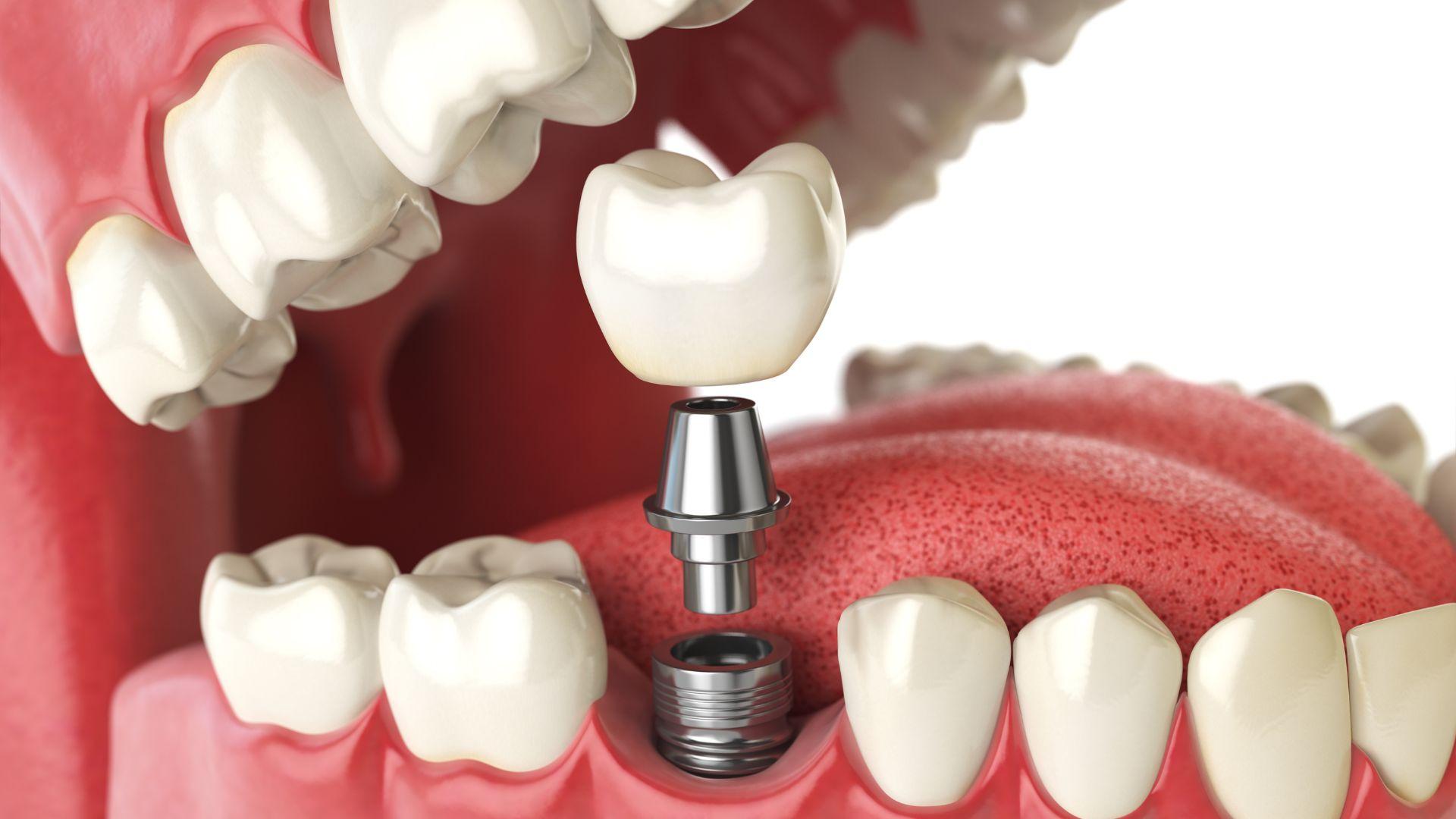
Dental implants replace teeth by mimicking the structure of natural teeth from the root up. A small titanium implant post is surgically placed into the jawbone at the implant site. Over several weeks, that post fuses with the surrounding bone in a process called osseointegration.
Once the implant site is fully healed, a dental crown is attached to the top of the implant post. The result looks, feels, and functions like a real tooth. Unlike traditional dentures, implants do not slip, shift, or require adhesive.
Dental implants preserve jawbone density by stimulating the bone the way natural tooth roots do. This is one of the most important long term benefits that sets implants apart from dental bridges or traditional dentures.
Who Is A Good Candidate For Dental Implants?
Most patients who are missing at least one tooth are worth evaluating for implants. That said, a few factors affect whether implants are the right fit for your situation.
A strong jawbone is essential. The implant post needs adequate bone density to integrate properly. Patients who have experienced significant tooth loss over time may have some bone loss at the implant site. Bone grafting can address this in many cases, though it does add time and cost to the entire process.
Good oral health is also important before implant surgery. Active gum disease or untreated decay needs to be resolved first. Your implant dentist will review your full oral health picture during the initial consultation and outline any preliminary treatments needed before moving forward.
The body’s ability to heal plays a role as well. Patients with certain health conditions or who smoke may face a higher risk of implant failure. An honest conversation with your implant dentist during the initial dental implant consultation will help determine whether implants are a good fit.
The Dental Implant Process: Step By Step
Understanding the dental implant process before you begin takes a lot of the anxiety out of it. Here is how the process typically unfolds from start to finish.
Step 1: Initial Consultation
The entire process begins with an initial consultation. Your implant dentist will take X rays, evaluate your jawbone density, review your oral health, and discuss your treatment plan. This is also the time to ask any dental implant FAQs you have been holding onto.
If tooth extractions, bone grafting, or other preliminary treatments are needed, your dentist will outline those at this stage. Most patients appreciate having a clear picture of the entire structure of care before anything begins.
Step 2: Preliminary Treatments
Some patients need additional treatments before implant surgery. Bone grafting is the most common. If there is not enough healthy bone at the implant site to support the implant post, grafting builds it back up. The surgical site needs time to heal before implant placement can proceed, which typically adds several months to the timeline.
Tooth extractions for any remaining damaged teeth may also be needed at this stage. Your implant dentist will coordinate all preliminary treatments as part of a single cohesive treatment plan.
Step 3: Implant Surgery
During implant surgery, the titanium implant post is placed directly into the jawbone. The procedure is performed under local anesthesia. Most patients report that the dental procedure itself is more comfortable than they anticipated.
After implant surgery, the recovery process begins. Expect some swelling and tenderness at the surgical site for a few days. A cold compress helps manage swelling in the first 24 to 48 hours. Most patients transition to soft foods for a week or two while the surgical site heals.
Protecting the blood clot that forms at the implant site is important during early healing. Your implant dentist will provide specific aftercare instructions to support a smooth recovery process.
Step 4: Osseointegration And Healing
The healing process after implant surgery takes time. The implant post needs to fully integrate with the jawbone before the final restoration can be placed. This stage typically takes 3 to 6 months, depending on each patient’s unique situation and the body’s ability to heal.
During this period, maintaining a strong oral hygiene routine is critical. Keeping the mouth healthy supports successful integration and reduces the risk of implant failure.
Step 5: Dental Implant Restorations
Once the implant site is fully healed, dental implant restorations are placed. For a single missing tooth, this means attaching a custom dental crown to the implant post. For patients missing multiple teeth, an implant bridge or implant supported bridge is an option. Patients missing an entire arch may be candidates for implant dentures or a full denture supported by multiple implant posts.
Your implant dentist will match the restoration to your natural teeth in both color and shape, producing a complete smile that looks entirely natural.
Types Of Dental Implant Restorations
Not every patient needs the same solution. The right restoration depends on how many teeth are missing and where they are located.
Single Tooth Implant: Designed for a single missing tooth. One implant post supports one dental crown. This is the most straightforward dental implant option and preserves the remaining teeth on either side without alteration.
Implant Bridge: An implant bridge replaces missing multiple teeth consecutively. Two implant posts anchor a bridge of artificial teeth across the gap. It is a strong alternative to a traditional dental bridge, which requires grinding down healthy adjacent teeth.
Implant Supported Bridge: Similar to an implant bridge, but designed for patients missing multiple teeth across a wider span. The implant supported bridge uses more anchor points for added stability.
Implant Dentures: For patients missing most or all teeth in an arch, implant dentures offer a secure, comfortable alternative to traditional dentures. The denture snaps onto implant posts, eliminating the instability that makes traditional dentures frustrating for many patients.
How Many Dental Implants Will You Need?
The question of how many dental implants you need depends on how many teeth are being replaced and what type of restoration is planned. A single missing tooth requires one implant. Replacing multiple teeth with an implant bridge typically requires 2 implant posts. Full arch implant dentures are often supported by 4 to 6 implants depending on jawbone density and the chosen system.
Your implant dentist will determine the right number of implants during your treatment planning process.
Dental Implants vs. Other Tooth Replacement Options
Dental implants are not the only way to replace missing teeth, but they are widely considered the most effective long-term solution. Here is how they compare to the alternatives.
Dental Bridges: A traditional dental bridge fills the gap left by a missing tooth by crowning the two teeth on either side. It does not require surgery, but it does involve altering healthy remaining teeth. Bridges also do not stimulate the jawbone, which means bone loss can continue beneath the bridge over time.
Traditional Dentures: Dentures replace missing multiple teeth or a full arch with removable artificial teeth. They are more affordable upfront but come with ongoing challenges, including slipping, difficulty chewing, and bone loss beneath the denture over time.
Implants: Dental implants replace teeth at the root level, preserve bone, and function like natural teeth. The upfront cost and time commitment are greater, but most patients find the long term benefits far outweigh those factors.
What Patients In Arlington Heights Are Saying
Choosing the right dental office for implant surgery is a big decision. Real patient experiences offer some of the best insight into what you can expect.
“I had an excellent experience at this dental office. The staff was welcoming and professional from the moment I walked in. The dentist took the time to explain everything clearly and made sure I was comfortable throughout the entire visit. The office is clean, modern, and well-organized, which made the experience even better. I truly appreciate the attention to detail and care. Highly recommend to anyone looking for a reliable and knowledgeable dentist.” — Desi Childs
“The only dental office that truly didn’t leave me when I needed help the most. I had severe tooth pain and called multiple places, but no one was willing to see me. Parkway Dental Care stepped up and took care of me immediately, on the same day, within literally an hour. My dentist and the assistant, Gabi, showed incredible dedication and patience, they truly fought to make me comfortable. Most importantly, I left the office pain-free. The next day, I received a follow-up call from the office checking on how I was feeling. That meant so much and really shows how much they care about their patients.” — Kasia Krawczyk
Why Parkway Dental Is One Of The Top Choices For Dental Implants In Arlington Heights

When researching implants in Arlington Heights, Parkway Dental consistently stands out as one of the best options in the area. Dr. Song brings focused expertise in implant dentistry and takes the time to build a personalized treatment plan for every patient.
The practice offers comprehensive dental services under one roof. From initial consultation and bone grafting through final dental implant restorations, patients move through the entire process with the same trusted team. That continuity matters when you are committing to a multi-step dental procedure.
Patients also benefit from flexible dental financing options, including CareCredit and Cherry patient financing, which make affordable dental implants a realistic goal regardless of financial situation. Learn more about financing options at Parkway Dental.
Caring For Your Dental Implants After Treatment
Proper care after the recovery process is complete determines how long your implants last. The good news is that caring for implants is very similar to caring for natural teeth.
Brush twice daily and floss daily around the implant crown and implant post. Keeping the area around the implant site clean prevents gum disease, which is one of the leading causes of implant failure. Regular dental visits allow your implant dentist to monitor the health of the implant and the surrounding oral health structures.
Avoid chewing on ice or very hard foods that could put excess pressure on the dental crown. With proper care, dental implants can last decades and in many cases a lifetime.
Schedule Your Dental Implant Consultation In Arlington Heights
If you are considering dental implants in Arlington Heights IL, the best next step is a conversation with an experienced implant dentist. Dr. Song and the team at Parkway Dental welcome new patients and take the time to answer every question before any treatment begins.
Contact Parkway Dental to schedule your initial consultation, or call (847) 259-5600 today. You can alsolearn more about the practice and Dr. Song before your first visit. Replacing missing teeth starts with a single appointment. Take that step today and start working toward a complete, confident smile.